Pay in installments of $6.25 with
 ,
,
 and
and

Shipping Estimate
USA
- USA
- CAN
- USA
- CAN
Ships within 48 hours · Estimated delivery Sep 20 - Sep 25
 Promo Codes Available:
For Your Every Summer RSVP, with Code: SUMMER15
Description
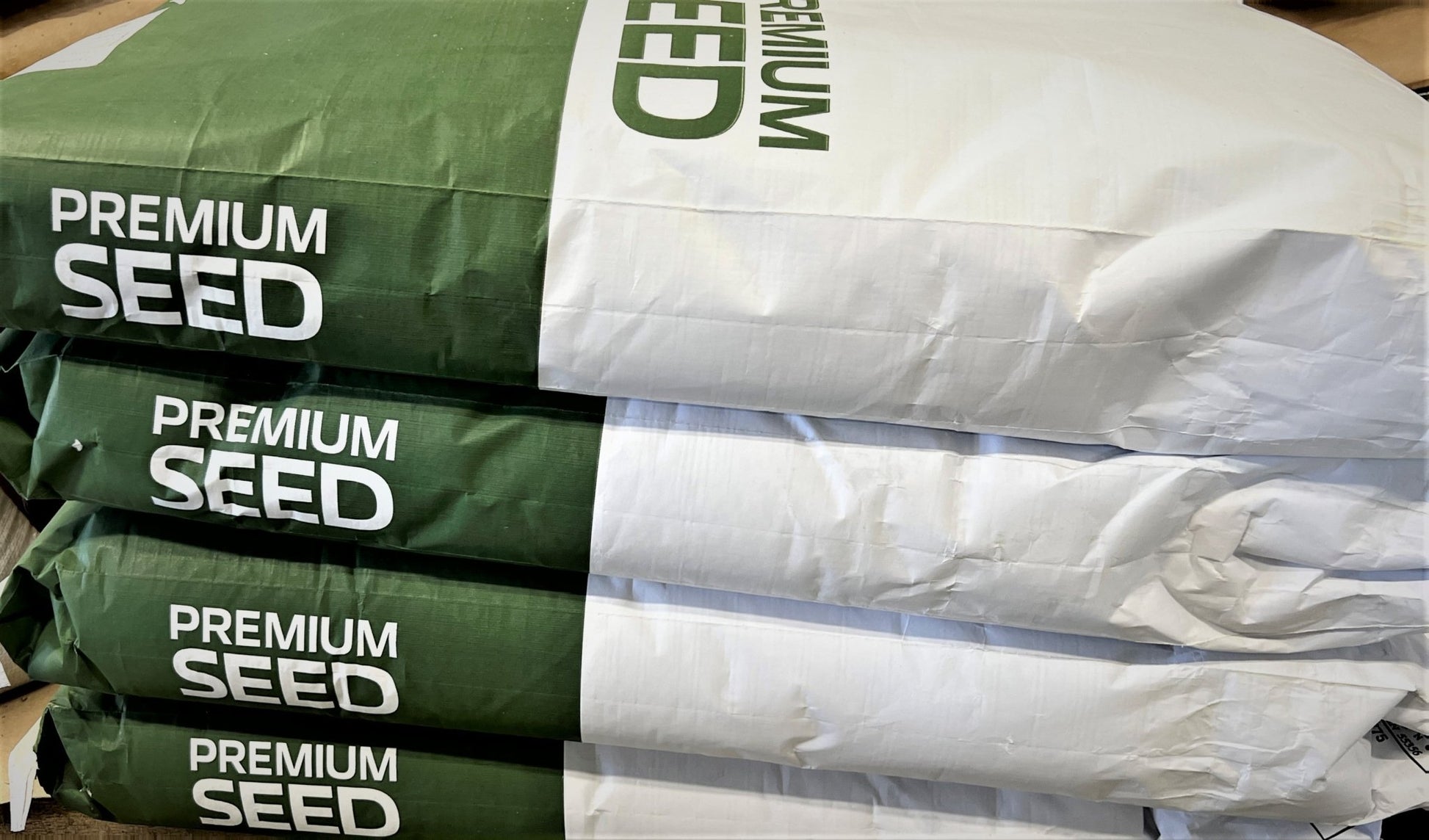
best herbicide for oats Forage Oats for Wildlife Food Plots and Livestock Forage – Hale Habitat & SeedForage oats (Avena sativa) are a cool season cereal grain that are commonly grown for livestock forage and as a wildlife food source. Oats are fast growing, nutritious, and attract a wide variety of wildlife, including deer, wild turkey, and small game. When planted as a wildlife food plot, forage oats can provide an abundant source of green forage and grain for wildlife during the fall and winter months. They also have the ability to improve soil
Forage oats (Avena sativa) are a cool-season cereal grain that are commonly grown for livestock forage and as a wildlife food source. Oats are fast-growing, nutritious, and attract a wide variety of wildlife, including deer, wild turkey, and small game. When planted as a wildlife food plot, forage oats can provide an abundant source of green forage and grain for wildlife during the fall and winter months. They also have the ability to improve soil structure and are often used in cover crop rotations.
Benefits for Wildlife Habitat
✔ Nutritious green forage and grain that attract deer, wild turkey, and small mammals.
✔ Grows quickly, providing early-season forage for wildlife.
✔ Can be left standing to provide a food source for wildlife through the winter.
✔ Helps improve soil health by preventing erosion and increasing organic matter.
✔ Pollinator-friendly, offering a habitat for beneficial insects like bees.
Planting Guidelines
-
Planting Times:
- Early Fall (August–September): For best results, plant oats in early fall to ensure they grow well before the first frost and provide winter forage.
- Early Spring (March–April): Oats can also be planted in early spring as a cover crop or wildlife forage option before summer heat sets in.
-
Seeding Depth:
- 1 to 1.5 inches deep for optimal seed-to-soil contact and consistent germination.
-
Seeding Rates:
- Drilled: 80–100 lbs per acre for uniform spacing and even growth.
- Broadcast: 100–120 lbs per acre, followed by light harrowing or cultipacking to improve seed-to-soil contact.
-
Days to Maturity:
- 60–90 days from planting to full maturity, with edible green forage available in 45–60 days.
-
Drought Tolerance:
- Moderate – While oats can tolerate some drought conditions, they perform best with consistent moisture. Drought stress can stunt growth and reduce yield.
-
Saturated Soil Tolerance:
- Moderate – Oats prefer well-drained soils but can tolerate brief periods of wet conditions. However, extended waterlogged conditions may affect growth and yield.
-
Shade Tolerance:
- Low to Moderate – Oats thrive in full sun but can tolerate light shade, especially in areas with cooler climates.
Fertilization Guidelines for Forage Oats
- Soil pH: Oats prefer slightly acidic to neutral soils, with a pH range of 6.0–7.0.
- Nitrogen (N): Forage oats require moderate nitrogen levels to support healthy growth. Apply 30–40 lbs per acre of nitrogen before planting, with additional applications as needed during early growth.
- Phosphorus (P): Apply 20–40 lbs P₂O₅ per acre if soil tests indicate low phosphorus levels, which is essential for root development and early growth.
- Potassium (K): Apply 30–50 lbs K₂O per acre to support plant health and help with drought tolerance.
Fertilization Timing:
- Apply phosphorus and potassium before planting based on soil test results.
- Nitrogen should be applied at planting and again during the early stages of growth to ensure rapid development.
Herbicide Use for Forage Oats
-
Weed Management:
- Weed control is important during the early growth stages, as oats can be outcompeted by grass and broadleaf weeds. Once established, oats can tolerate some weed pressure.
-
Herbicide Options:
- Pre-emergence: Pendimethalin (Prowl) or Trifluralin (Treflan) can be used to control grass and broadleaf weeds before planting.
- Post-emergence: 2,4-D is effective in controlling broadleaf weeds once oats are established.
Key Considerations:
- Always follow herbicide label recommendations to prevent damage to oats, particularly during early growth.
Shipping Notes
- Free Standard Shipping on $100+ Orders to the USA.
- Except Preorder products are shipped in 48 hours.
- Delivery to the USA:
- Standard Shipping : 3-10 business days
- If time is of the essence, please consider selecting expedited delivery for faster service.
Exchange/Return Notes
- We offer a 30-day return/exchange service after receiving.
- Final sale items are not eligible for returns or exchanges.
- To process your return/exchange, please contact us at [email protected]
- Please click here for more details>>> Return & Exchange Policy